
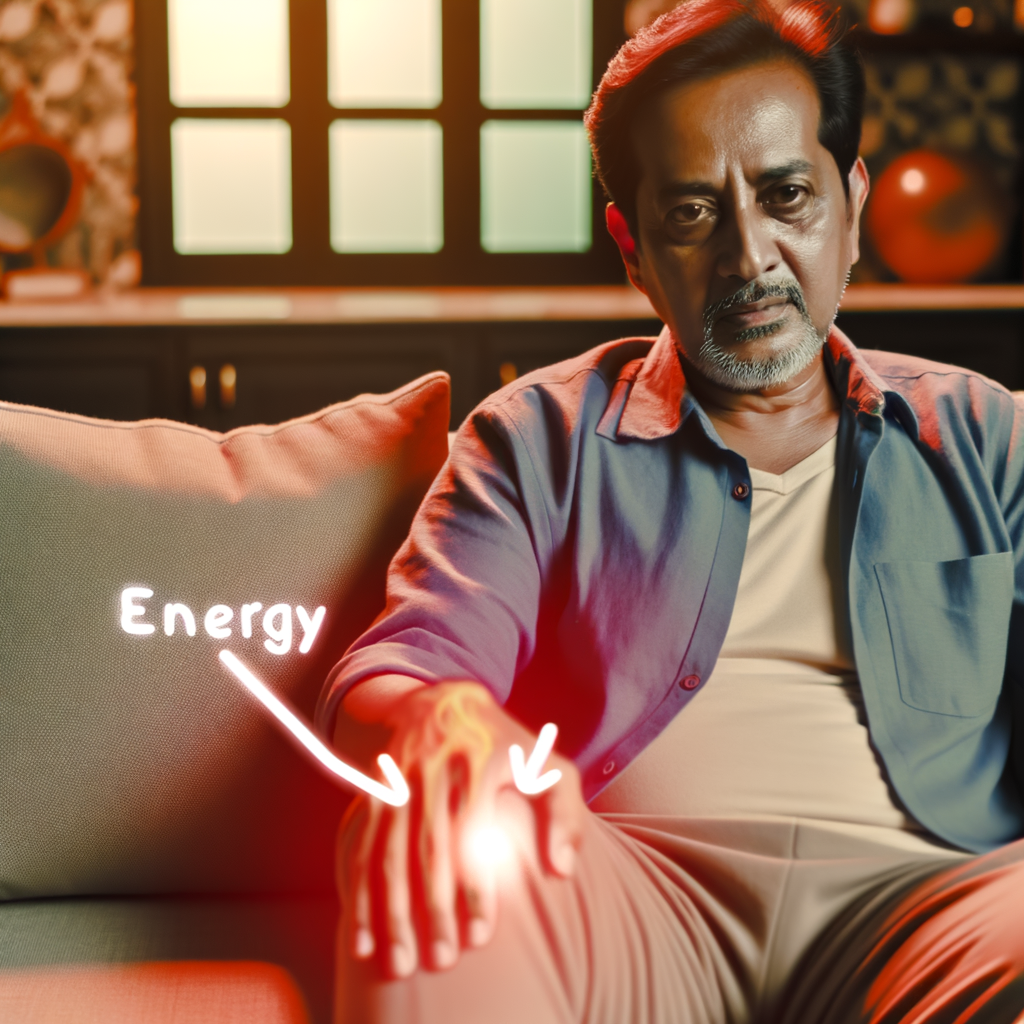
Understanding Sleep and Its Impact on Body Energy After 45
What Is Happening in the Body?
As we age, our body’s relationship with sleep undergoes significant changes. Around the age of 45 and beyond, many experience shifts in sleep patterns and quality. The natural decline in certain hormones, such as melatonin, can alter the body’s internal clock, making it harder to fall asleep or stay asleep through the night. This disruption affects the body’s recovery process, which is vital for restoring energy and maintaining overall well-being.
Sleep is a critical period during which the body repairs tissues, consolidates memories, and regulates important functions like metabolism and immune response. When sleep quality declines, these restorative processes are compromised, leading to feelings of fatigue and reduced stamina during the day.
Common Symptoms After 45
- Difficulty falling asleep or frequent awakenings at night
- Waking up feeling unrefreshed despite having enough hours of sleep
- Daytime tiredness and decreased alertness
- Increased irritability or low mood
- Reduced physical stamina and motivation
- More frequent naps or feeling the need to rest during the day
Possible Causes
Numerous factors can contribute to changes in sleep quality and duration after age 45. Some of the common causes include:
- Hormonal changes: Declining melatonin and changes in sex hormones like estrogen and testosterone can disrupt sleep cycles.
- Stress and anxiety: Life changes or ongoing concerns may increase mental restlessness at night.
- Medical conditions: Conditions such as arthritis, restless leg syndrome, or sleep apnea may interfere with restful sleep.
- Medication effects: Some prescriptions can impact sleep patterns as a side effect.
- Poor sleep hygiene: Irregular sleep schedules, screen time before bed, and uncomfortable sleeping environments can all lead to poorer sleep.
Lifestyle Tips to Improve Sleep and Restore Energy
Improving sleep is a key step toward boosting body energy and reducing exhaustion. Here are some gentle and practical tips:
- Maintain a regular schedule: Aim to go to bed and wake up at the same times every day, even on weekends.
- Create a calming bedtime routine: Engage in relaxing activities, such as reading a book or gentle stretching, to signal your body it’s time to wind down.
- Limit exposure to screens: Reduce blue light from phones, tablets, and computers in the evening because it can interfere with melatonin production.
- Watch caffeine and alcohol intake: Avoid caffeine in the afternoon and limit alcohol, as both can disrupt sleep quality.
- Make your bedroom comfortable: Ensure your bedroom is cool, dark, and quiet. Invest in supportive bedding to reduce discomfort.
- Stay active during the day: Regular moderate exercise helps improve sleep quality, but avoid vigorous activity close to bedtime.
Natural Support Options
Beyond lifestyle adjustments, there are natural supports that gently encourage better sleep without harsh effects. Nutritional support with foods rich in magnesium, tryptophan, and B vitamins can promote relaxation and preparation for restful sleep. Herbal teas like chamomile or valerian root are often used as calming aids in the evening.
Mindfulness and relaxation techniques such as meditation or controlled breathing may also help calm the mind and body, facilitating a smoother transition to sleep. These natural supports work best when combined with a consistent and healthy sleep routine.
Prevention Tips for Sustained Sleep Health
Preventing ongoing sleep difficulties is essential for maintaining energy and vitality as you age. Consider the following preventive strategies:
- Keep stress in check with regular self-care and social connections.
- Monitor any medications with your healthcare provider to understand their effects on sleep.
- Schedule regular health check-ups to identify and manage conditions that may affect sleep.
- Avoid long daytime naps, especially late in the afternoon.
- Expose yourself to natural light in the morning to help regulate your sleep-wake cycle.
By adopting these preventive habits, you support your body’s natural rhythms and energy levels, helping to maintain a more restful night and energized day.
Helpful support option related to this topic:
“Chronoboost Sleep”
Learn more about this natural support option
Helpful support option related to this topic:
“Chronoboost Sleep”
Learn more about this natural support option