
SEO TITLE (H1)
Understanding Energy Levels After 45: Navigating Midlife Fatigue
OPENING PARAGRAPH
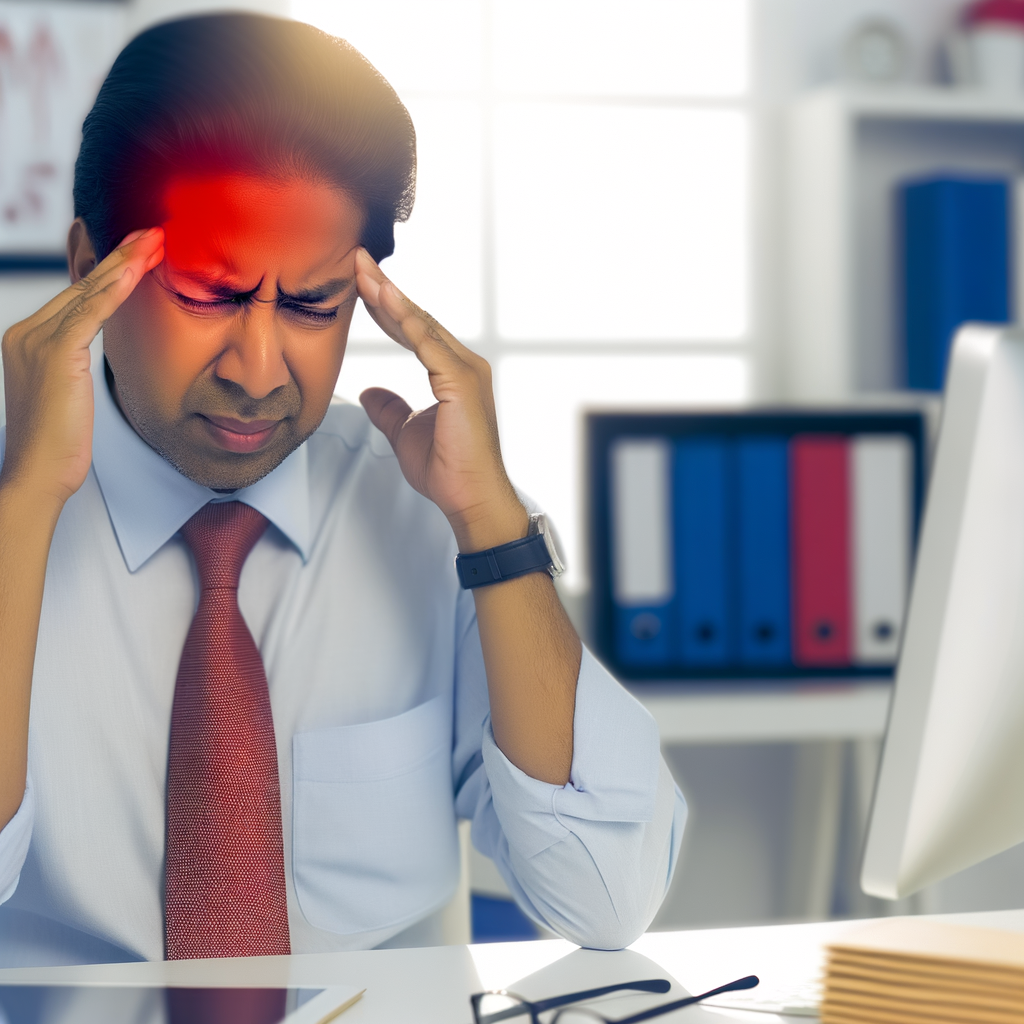
You know that moment mid-morning when a simple cup of coffee doesn’t quite cut it anymore? The sluggish drag through familiar tasks feels heavier than it used to, and the vibrant get-up-and-go you once took for granted seems to have mellowed into a slower rhythm. If you’ve noticed your energy dipping more often these days, especially after 45, you’re not alone.
REAL-LIFE RECOGNITION
Many people in their midlife years begin to experience a subtle—and sometimes not so subtle—decline in their energy. You might feel more tired during the afternoon or find it harder to bounce back after a busy day. These changes often become more noticeable during routine activities like gardening, household chores, or even a casual walk. It’s as if your body’s natural pep has decided to nap more frequently.
This shift can catch you off guard since, in earlier years, quick recharge was almost effortless. After 45, however, this dip in energy tends to be more persistent and less easily overcome with rest or caffeine.
DEEP EXPLANATION
The reasons behind changing energy levels after 45 are often a blend of normal aging and lifestyle factors. As we age, our metabolism naturally slows down, meaning the body converts food into energy more gradually. Muscle mass may decrease slightly, reducing overall physical endurance and stamina. Hormonal shifts, such as changes in thyroid function or decreased production of certain hormones, can also play a role in how energetic you feel throughout the day.
Lifestyle factors often contribute to this too. Perhaps sleep patterns have changed, leaving you less refreshed in the morning. Or maybe stress from work, family, or health concerns subtly chips away at your vitality. Physical activity may have decreased compared to younger years, and diet might not be quite as balanced, all influencing overall energy reserves.
EMOTIONAL CONNECTION
Feeling a drop in energy isn’t a sign of failure or something to face alone. It’s a natural part of life’s evolving journey, especially as the body moves through this phase. Many people find this period challenging because it clashes with the emotional desire to maintain the same level of activity and enthusiasm as before. It’s perfectly normal to have moments when you wish for just a bit more get-up-and-go, and many understand exactly how that feels.
DAILY IMPACT
Low energy can subtly affect many parts of your day. Tasks that once felt simple might now require more effort, affecting your confidence and comfort in daily routines. Social activities could feel more draining, making it tempting to skip moments you’d otherwise enjoy. Even sleep quality might suffer, as the interaction between tiredness and rest can become complicated, creating a cycle that’s hard to break. Over time, these shifts can quietly influence your overall sense of well-being and vitality.
GENTLE TRANSITION
Recognizing these changes, many people start seeking ways to support their energy through gentle lifestyle adjustments or helpful supplements. It’s common to explore different paths that honor the body’s changing needs while maintaining a fulfilling and active life.
RECOMMENDATION BLOCK
Many people over 45 who experience midlife fatigue begin looking for ways to support their energy. One option some people explore is VitalBoost Energy Complex, which is designed to support energy-related needs.
Helpful support option related to this topic:
VitalBoost Energy Complex
[Affiliate Link]
Helpful support option related to this topic:
View product