
Understanding Sleep and Its Impact on Energy Levels After 45
What Is Happening in the Body as We Age?
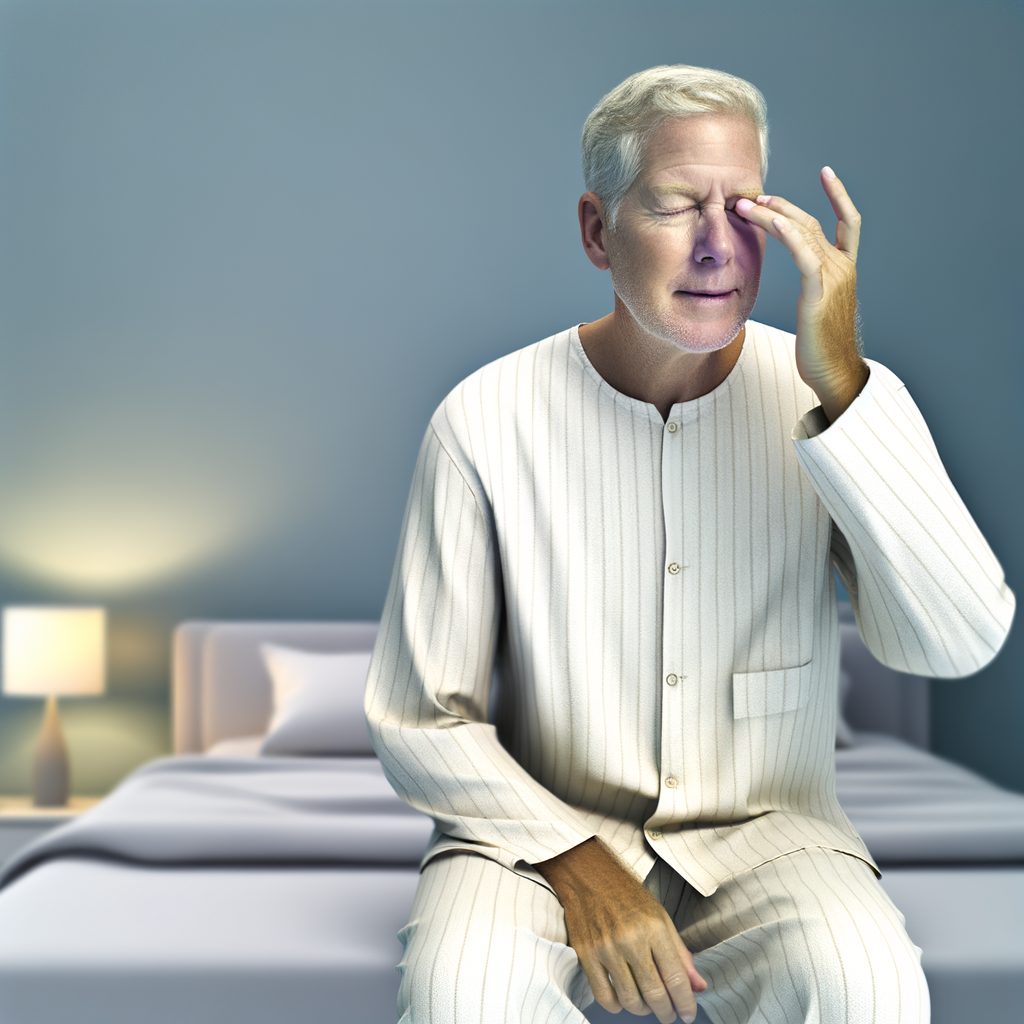
As we reach our mid-40s and beyond, changes in sleep patterns become common. The body’s internal clock, or circadian rhythm, may shift, making it harder to fall asleep or stay asleep through the night. Hormonal changes, including reductions in melatonin production, can also affect sleep quality. These alterations may lead to lighter, less restorative sleep, which directly influences daily body energy and feelings of fatigue.
Common Sleep-Related Symptoms After 45
- Difficulty falling asleep or staying asleep
- Waking up frequently during the night
- Feeling tired or unrefreshed upon waking
- Increased daytime sleepiness or low stamina
- Irritability or difficulty concentrating due to poor sleep
Possible Causes of Sleep Difficulties in Midlife
Several factors may contribute to diminished sleep quality after 45, including:
- Hormonal Changes: Decreased melatonin and changes in sex hormones can disrupt sleep cycles.
- Stress and Anxiety: Responsibilities related to work, family, or health may increase stress levels, affecting the ability to relax at night.
- Medical Conditions: Chronic pain, sleep apnea, restless leg syndrome, or medications may interfere with sleep.
- Lifestyle Factors: Irregular sleep schedules, caffeine or alcohol consumption late in the day, and reduced physical activity can all impact sleep quality.
Lifestyle Tips to Support Better Sleep
Improving sleep hygiene can help restore restful sleep and boost daily energy:
- Maintain Consistent Sleep Times: Going to bed and waking up at the same time each day helps regulate the body’s clock.
- Create a Relaxing Bedtime Routine: Activities like reading a book or gentle stretching can signal the body it’s time to wind down.
- Limit Screen Time: Avoiding screens at least an hour before bed reduces exposure to blue light that disrupts melatonin production.
- Watch Your Diet: Avoid caffeine and heavy meals close to bedtime to reduce sleep disturbances.
- Stay Physically Active: Regular moderate exercise during the day can promote better sleep at night.
Natural Support Options for Restorative Sleep
There are several natural approaches to supporting better sleep without relying on medications:
- Mindfulness and Relaxation Techniques: Practices such as deep breathing, meditation, or gentle yoga can reduce stress and prepare the mind for sleep.
- Herbal Teas: Some herbal teas like chamomile or valerian root are known for their calming effects, though individual responses vary.
- Environmental Adjustments: Ensuring your sleeping environment is dark, quiet, and cool can enhance comfort and restfulness.
Prevention Tips to Maintain Healthy Sleep Patterns
Taking proactive steps can help maintain quality sleep and safeguard daily energy:
- Prioritize sleep as an essential part of your daily routine, just like nutrition and exercise.
- Manage stress through regular relaxation and purposeful downtime.
- Address any persistent sleep issues by consulting a healthcare professional to rule out underlying conditions.
- Limit naps during the day, especially late afternoon or evening, to avoid interfering with nighttime sleep.
For tailored advice and ongoing support regarding sleep and daily energy after 45, exploring reputable health resources can provide valuable guidance.
Learn more about sleep changes with age and how to support restful sleep
Helpful support option related to this topic:
“Chronoboost Sleep”
Learn more about this natural support option